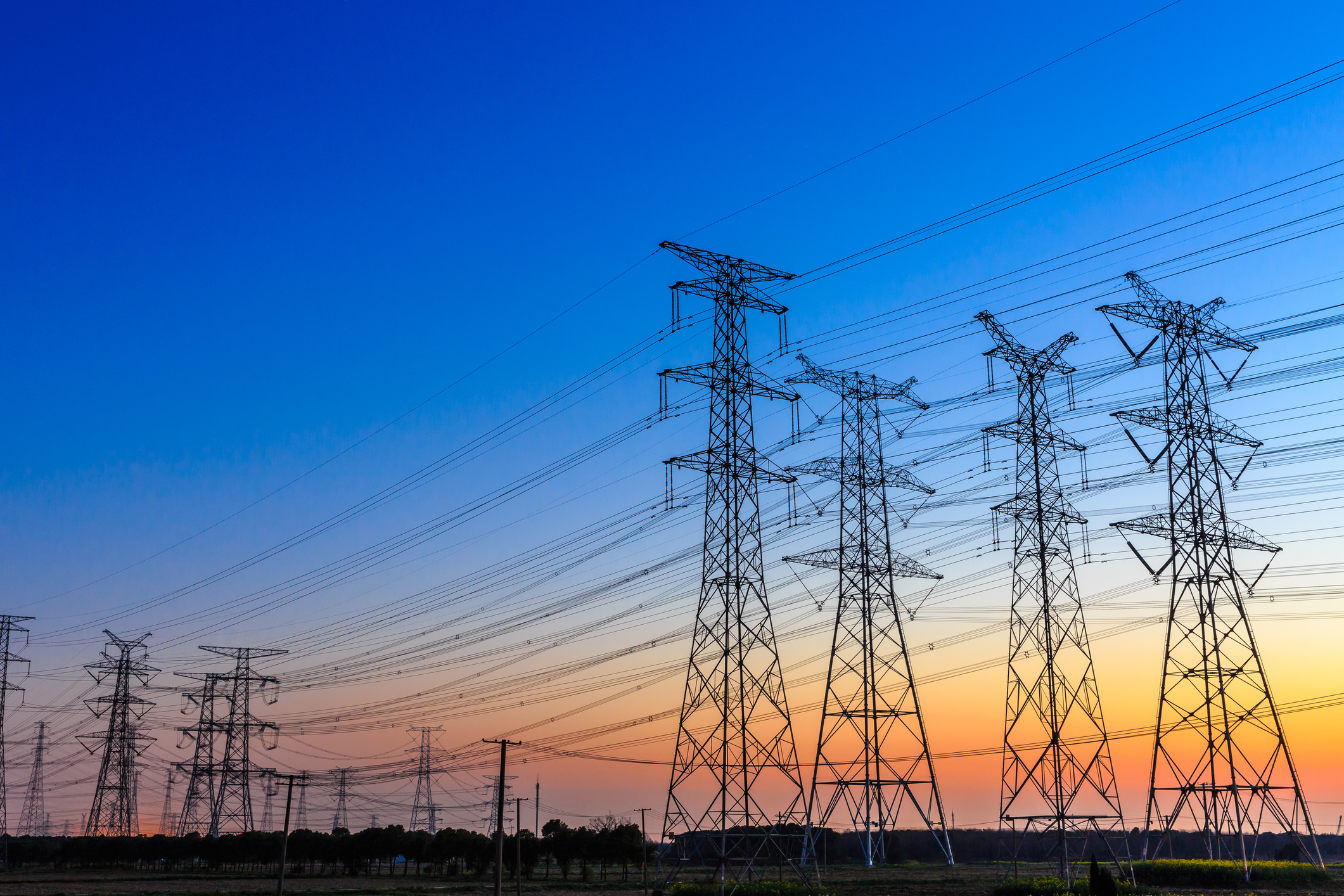
A federal emergency order aimed at preventing blackouts in the mid-Atlantic is drawing attention to a bigger question: Can the region’s power grid keep up with growing electricity demand?
The unusually warm weather earlier this week helped put extra stress on the system at a time when many power plants and transmission facilities were already undergoing planned seasonal maintenance.
“The fact that we have an emergency order, it’s actually intended to prevent outages and blackouts,” Ali Mehrizi-Sani, director of Virginia Tech’s Power and Energy Center, said.
The order, which expires Friday, allows PJM Interconnection to use additional tools to maintain reliability. One of those allows backup generators at data centers and other large facilities to be used before customer outages are considered.
“The conditions we have seen in both September and October reflect the reality that PJM and other grid operators are facing: increased baseload electricity demand is growing faster than new capacity can come onto the system and unseasonable weather patterns are providing fewer days to perform important maintenance or construction on the generation and transmission equipment serving our footprint,” PJM said in a statement.
Mehrizi-Sani said the rapid increase in demand for electricity is part of the issue, leading to warnings that were once rare, but are now being issued more frequently.
“So there is, of course, data centers, but there is also other kind of larger-scale electrification that has been happening in our system, particularly in Northern Virginia, so the system has been operating closer to its limits,” Mehrizi-Sani said.
But he said the need for those measures highlights a larger issue: more attention needs to go toward ensuring the grid can keep up.
“I don’t think anything is going to replace the need for more investment in our power system and more kind of hardening of our power grid,” Mehrizi-Sani said.
He said the region needs more investment in the grid as demand is only expected to continue growing.
“We need to have more generation and more transmission to be able to deal with the, with the rapid load growth that we are experiencing,” Mehrizi-Sani said.
Get breaking news and daily headlines delivered to your email inbox by signing up here.
© 2026 WTOP. All Rights Reserved. This website is not intended for users located within the European Economic Area.