NOT a day goes by without another reminder of the deep economic crisis our system is in.
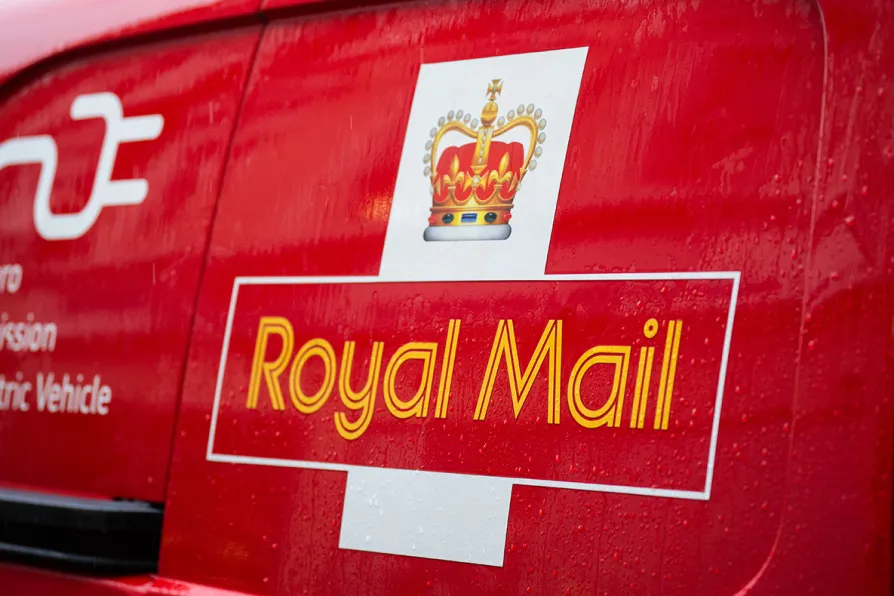
Today’s news witnesses CWU calling for an emergency summit to discuss a national postal service on the brink of collapse, with hundreds of workers quitting each week. This is a direct result of privatisation and mismanagement of the service.
A postal service in public hands, with management guided by the workers who understand the service, run in the public interest, not in the interests of private profit, would simply not be in this position.
While emergency plans need to be put in place to save the service and the union must be given the full support of the movement in doing this, we must also make the broader case that privatisation has failed the postal service, and along with many other key services, it must be brought back into public ownership.
Speaking of essential services that belong in public hands, water privateers are being forced to return £240 million to customers by 2030 due to poor performance. While customers will no doubt welcome the cut in bills imposed by the regulator, the fact is they should never have been taking this money in the first place.
Why are we paying millions into the pockets of greedy shareholders while their privatised companies fail to fix leaks and discharge raw sewage into our rivers and seas? Total pollution incidents have topped 2800 per year, increasing by 47 per cent over the last 10 years.
Again, water supply in public hands, run in the public interest, not for private profit would simply not generate this level of calculated incompetence. The fact is it is more profitable to overcharge, waste and pollute than it is to fix the problems so, while profit reigns, this mess will continue.
Meanwhile, energy companies continue to make staggering profits as the full impact of the bombing of Iran works its way through the markets. When even the Scottish National Party — not known for radical politics — is calling on PM Andy Burnham to cut energy bills, a measure which realistically can only be delivered by tightening the energy price cap and introducing further restriction on the energy monopolies, we know the system is broken.
The cost-of-living emergency is forcing people to breaking point not only in Scotland but right across Britain, with further growth in the price of oil hitting not just energy bills and the price of petrol at the pumps but food prices as well.
This is a system in full collapse.
And that economic collapse leads to social and political collapse and the rise of the far right.
In the mid-1930s, two years before the historic Battle of Cable Street, British communist Rajani Palme Dutt described fascism as “the outcome of modern capitalism in crisis… when it can no longer maintain its power by the old means, but is compelled to resort to ever more violent methods for the suppression of working-class organisation, and also for the attempted authoritarian economic unification and organisation of its own anarchy, in a last desperate effort to maintain its existence and master the contradictions that are rending it.”
The crisis is clear and has been since the 2008-9 economic crash. The contradiction between social production and private profit deepens each day. It is clear that we need to fight for an alternative economic system, while working to slow, halt and reverse the rise of the far right that has stepped into the void created by the slow disintegration of the established economic order. To achieve these twin aims, we need to build a united working-class front which can take on the billionaires, their fascist street thugs and their paid mouthpieces in Parliament.
We urge all readers to attend the Together Alliance summits in Manchester (October 17) and London (October 24) and be part of building a key element of this front.