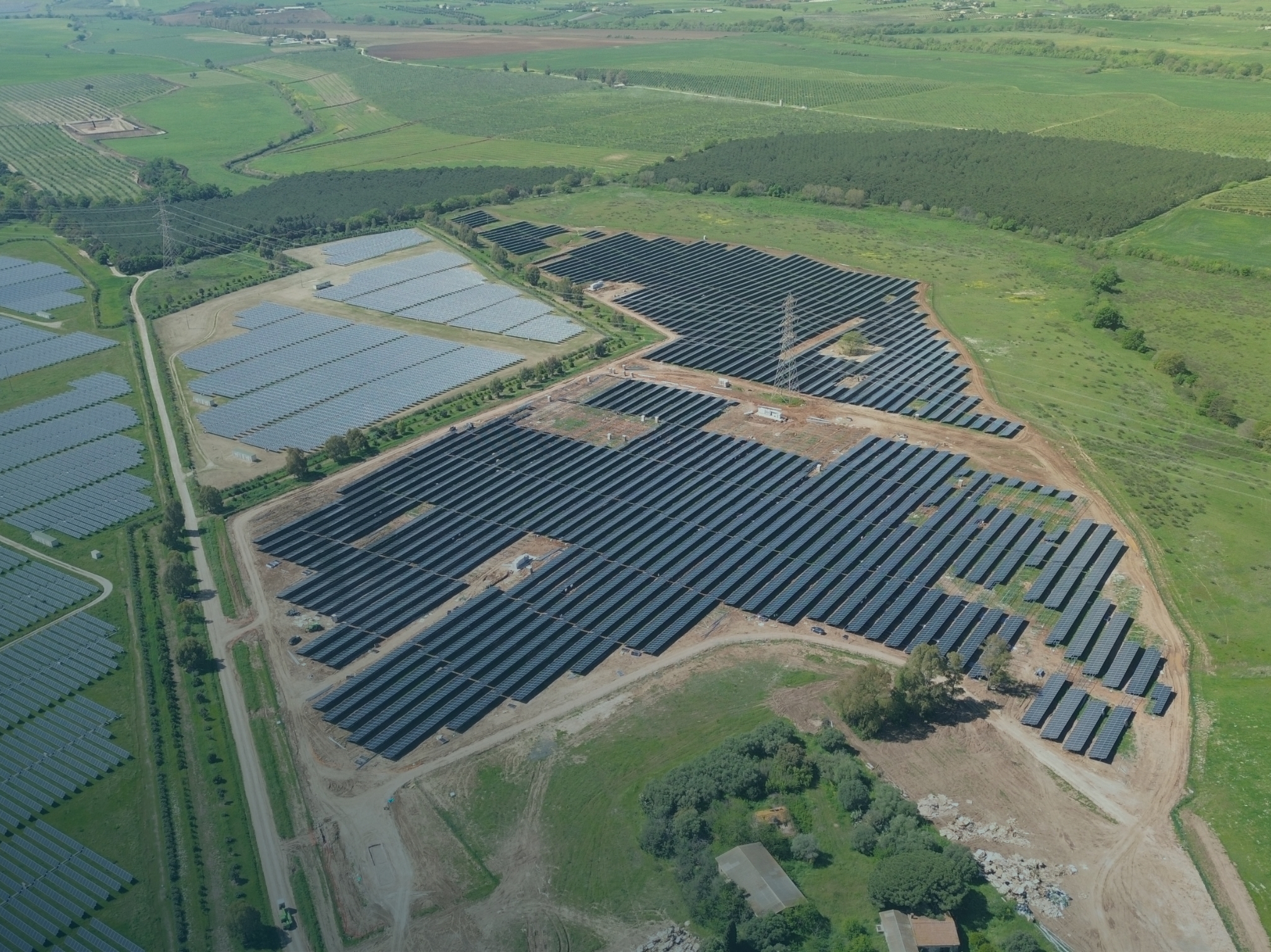
Italy’s installed solar PV capacity is projected to reach between 100 GW and 111 GW by 2035 and between 114 GW and 137 GW by 2040, according to the 2026 Scenario Description Document (DDS 2026), prepared by electricity transmission system operator Terna and gas infrastructure operator Snam to support their respective grid development plans.
Solar power generation is expected to increase from 44 TWh in 2025 to 110 TWh in 2030, accounting for more than 52% of renewable electricity generation and approximately 37% of total domestic electricity production. By 2040, solar generation could reach between 156 TWh and 185 TWh.
According to the document, utility-scale solar capacity will more than double between 2025 and 2030, rising from 24.5 GW to 54.1 GW. Distributed PV capacity is expected to increase from 19 GW to 28.2 GW over the same period.
For 2030, Terna and Snam have developed a single “Best Estimate” scenario, which they describe as “more of a forecast than a scenario.”
Under this scenario, combined solar and wind capacity is expected to reach approximately 103 GW by 2030, an increase of 45 GW from 2025 levels.
Around 23 GW of this capacity has already been allocated under support mechanisms including FER 1, Agrivoltaico, Agrisolare, FER X Transitorio and Energy Release 2.0. More than half of the allocated capacity is concentrated in southern Italy and Sicily.
The projections also include between 7 GW and 10 GW from upcoming FER X auctions, against a maximum available quota of approximately 37 GW, alongside annual growth of 2.5 GW to 3 GW, primarily driven by small-scale installations.
Renewables are expected to cover 63% of Italy’s electricity demand by 2030, up from 41% in 2025, in line with the country’s National Integrated Energy and Climate Plan (PNIEC).
However, electricity demand is projected to reach 338 TWh in 2030, below the 362 TWh envisaged in the PNIEC. The difference reflects slower electrification in the residential and transport sectors, only partially offset by rising demand from data centers, which is expected to reach approximately 15 TWh in 2030 and 48 TWh in 2040.
Beyond 2030, the “Energy Integration” scenario assumes combined solar and wind capacity additions of approximately 4 GW per year, slightly more than half the pace recorded between 2023 and 2026. Under this scenario, renewables would cover 68% of electricity demand by 2040.
The more ambitious “Power Development” scenario assumes annual additions of approximately 8 GW, supported by favorable auction outcomes, faster permitting and the development of offshore wind. Renewables would cover 77% of electricity demand by 2040, while gas-fired generation would fall to 53 TWh.
Italy needs an additional 50 GWh of storage by 2030
Achieving a 63% renewable electricity share by 2030 will require approximately 50 GWh of additional utility-scale energy storage capacity compared with 2026 levels, according to the document.
This includes 24 GWh beyond the capacity already planned under Italy’s electricity storage procurement mechanism, MACSE.
The first MACSE auction, held in November 2025, contracted approximately 10 GWh of storage capacity for delivery in 2028, with 70% allocated to the southern market zone. A second auction, scheduled for November 2026, is expected to offer up to 16 GWh for delivery in 2029.
Excluding approximately 50 GWh of existing pumped-hydro storage, Italy’s total storage capacity is projected to increase from 17.9 GWh in 2025 to 80 GWh in 2030, including 19 GWh of distributed storage.
By 2040, storage capacity could reach between 116.5 GWh and 169.5 GWh, depending on the scenario.
Beyond 2030, storage requirements are expected to expand into the northern and central-northern market zones, where increasing renewable generation is widening electricity price differences between off-peak and peak hours.
By 2030, renewable generation is expected to account for more than 90% of the electricity used to charge storage systems in nearly all market zones, with the North being the exception.
Storage will also be important in managing renewable overgeneration, which is projected to increase from negligible levels to approximately 6 TWh in 2030 and between 8 TWh and 25 TWh by 2040.
Surplus generation is expected to be concentrated around midday during spring, with the grid operators warning that overgeneration could become a structural feature of the Italian electricity system.
Heat pumps could serve 9.8 million homes by 2040
The document also projects significant growth in the use of heat pumps for residential heating.
The number of homes primarily heated by heat pumps is expected to increase from 2.5 million in 2025 to 3.8 million in 2030, reaching between 4.9 million and 6.5 million by 2035.
By 2040, the figure could rise to between 6.1 million and 9.8 million. The upper estimate, under the Power Development scenario, would represent approximately 35% of heated homes in Italy.
Alongside electric mobility, heat pump adoption is expected to increase electricity’s share of final energy consumption from 22% in 2025 to between 30% and 35% in 2040.
Total electricity demand is projected to reach between 408 TWh and 439 TWh by 2040.
According to Terna and Snam, the higher efficiency of electric technologies will help reduce overall final energy consumption while maintaining the same level of energy services.
Renewable growth to reverse electricity flows in southern Italy
The concentration of new renewable generation capacity in southern Italy is expected to reshape electricity flows between the country’s market zones.
According to the document, electricity flows on the interconnection between the South and Central-South zones are projected to reverse direction compared with historical patterns.
Net flows are expected to shift from 12.3 TWh in 2024 to 21.2 TWh in 2030, potentially reaching 43.5 TWh by 2040 under the Power Development scenario.
Electricity transfers between the Central-South and Central-North zones are also expected to increase, from 3.2 TWh in 2024 to 10.7 TWh in 2030 and 26.5 TWh by 2040 under the same scenario.
Terna and Snam anticipate a gradual increase in electricity exchange capacity between Italy’s seven market zones to accommodate growing renewable generation and changing power flows.
Specific grid reinforcement projects and capacity upgrades are expected to be detailed in the 2027 grid development plan.