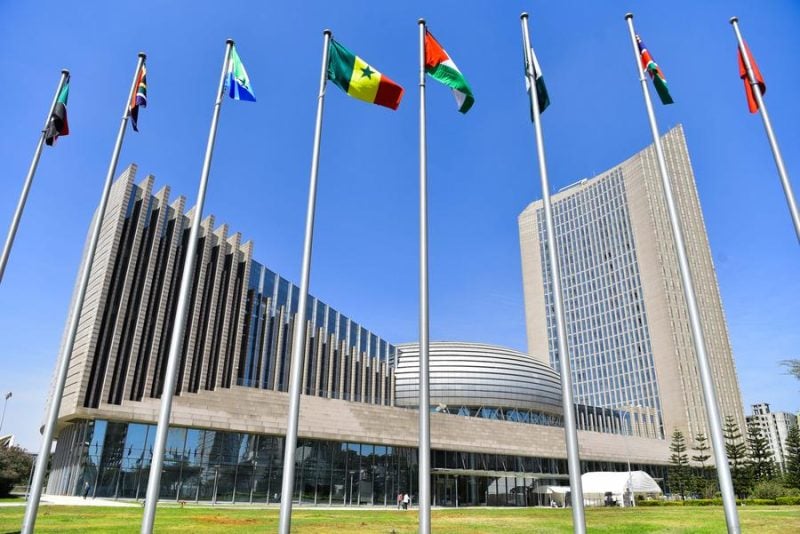
NAIROBI, Kenya, Oct 12 – The African Union (AU) will push for reforms to the global financial system, improved debt resolution mechanisms and stronger financial independence for the continent during the 2026 International Monetary Fund (IMF)-World Bank Annual Meetings in Bangkok, Thailand.
The meetings, scheduled for October 12-18, will provide a platform for the AU to advance Africa’s priorities on international tax cooperation, financial integration and access to resources for development.
The continental body said it would host four side events from October 13 to 16, focusing on international tax cooperation, operationalising African Union financial institutions, enabling instant cross-border payments and advancing effective debt resolution mechanisms.
“These discussions build on the AU’s ongoing work to reform the global financial architecture, strengthen Africa’s financial independence and unlock more resources for the continent’s development,” the organisation said.
The focus on debt resolution comes as African countries seek sustainable ways to manage debt obligations while financing infrastructure, public services and economic development.
You might also like
More effective debt-resolution mechanisms could be part of broader efforts to address financing constraints facing developing economies.
The AU will also use the meetings to advance discussions on international tax cooperation, an area central to efforts to strengthen domestic resource mobilisation and ensure African countries participate in shaping global tax rules.
Operationalising African Union financial institutions is another priority, reflecting the bloc’s ambition to strengthen Africa’s financial capacity and expand its ability to mobilise resources for continental development.
The proposed discussions on instant cross-border payments will focus on improving financial connectivity across African markets. More efficient payment systems can reduce transaction barriers, support regional trade, and facilitate cross-border payments.
The four engagements form part of the AU’s broader efforts to influence reforms to the international financial architecture and increase the resources available to support Africa’s development priorities.
The outcomes of the discussions could help shape the continent’s engagement with international financial institutions on debt sustainability, taxation, regional financial integration and development financing.