The war in Iran has exposed a critical vulnerability in Southeast Asia’s energy markets. The region is heavily dependent on fossil fuel imports, and demand is continuing its steep growth trajectory even as global crude oil prices remain punishingly high. Though the Strait of Hormuz is finally reopening, restoring flows of crude oil out of the Persian Gulf and toward Asian buyers, global oil markets have a long road toward recovery. Luckily, the wheels are already in motion to electrify the continent and move away from heavy dependence on imported oil and gas, but the interim will be a rocky chapter for energy security in the rapidly developing region.
When the Strait of Hormuz initially closed in February, in response to the United States and Israel’s military campaign in Iran, Asian markets were hit hard and hit early by the cutoff. Southeast Asian nations were especially vulnerable to price volatility because of the region’s relatively high dependence on energy imports and low capacity to absorb market shocks thanks to economic constraints.
In the weeks and months after the Strait closed, the Philippines declared a national energy emergency, and governments across the region turned to energy rationing, work-from-home mandates, and even four-day work weeks to manage the strain. However, the same crisis has also kickstarted a much-needed and arguably overdue renewable revolution that will bolster regional energy security, independence, and autonomy going forward. Getting there is the hard part.
“Rising fuel imports and fast-growing electricity demand are increasing [Southeast Asia’s] exposure to market disruptions and volatility,” the International Energy Agency wrote in a news report earlier this week. However, “closer cooperation can strengthen its ability to respond,” the article continued.
“Southeast Asia is one of the world’s most dynamic regions, but its rising needs for energy to power its economic growth face challenges in an increasingly uncertain global energy landscape,” said International Energy Agency Executive Director Fatih Birol. “Energy security must be built into decisions across the whole system from oil stocks and gas infrastructure to electricity grids and more efficient use of energy. By working more closely together, ASEAN countries can make better use of their collective resources and respond more effectively when disruptions occur.”
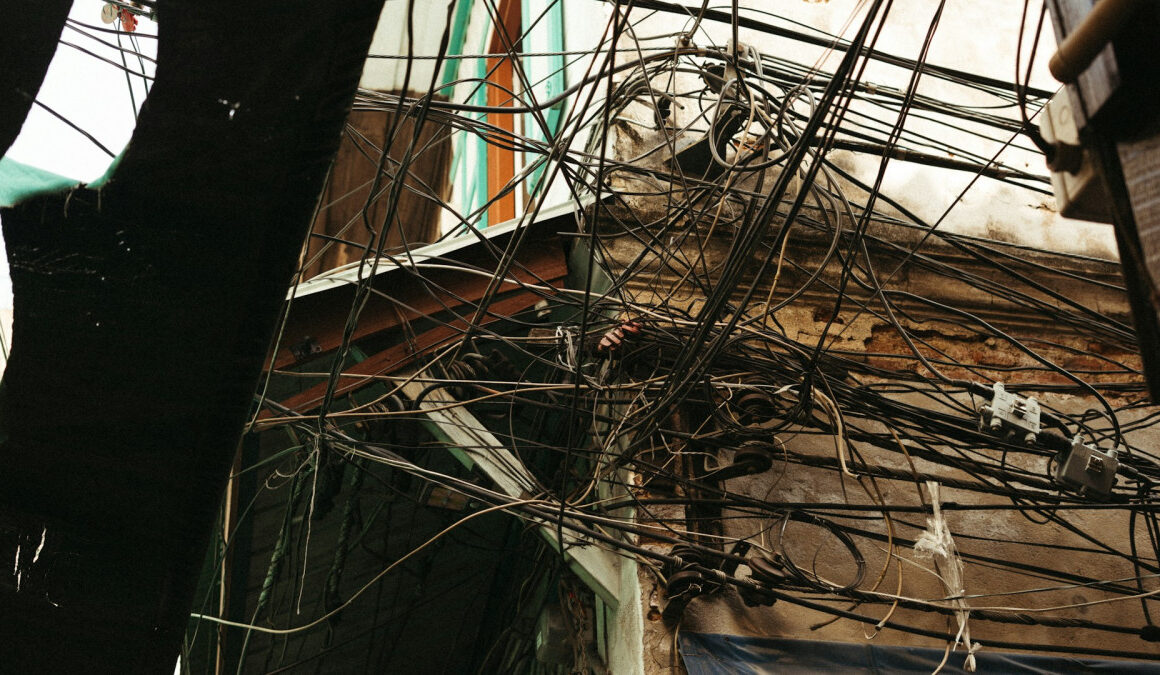
A large part of the coordinated response will need to focus on building up supportive clean energy infrastructure in addition to clean energy production capacity. While solar energy is taking off across the region, grid expansion and refurbishment, energy storage capacities, and transmission infrastructure are lagging behind, risking a major bottleneck in the region’s electrification trajectory.
According to an August report from Climate Home News, “inadequate grid capacity and maintenance is already proving a major factor in the region’s stuttering rollout of new clean energy projects.” The report also points to “issues ranging from unclear power purchase agreement (PPA) structures, a failure of power policies to keep up with investor needs, permitting and licensing approval delays, grid connection constraints, limits to private sector involvement in electricity markets, and policy and tariff uncertainty.”
Indeed, the region’s renewable revolution risks stalling out before it even really starts if these issues are not addressed quickly. A May report from consultancy Bain & Company and Standard Chartered found that between the years of 2021 and 2025, 50 to 60 percent of renewable energy projects in Vietnam, Thailand and Indonesia were cancelled or stalled thanks to inadequate infrastructural and policy support.
These issues are set to intensify as rapid economic development continues across Southeast Asia. “More than 100 TWh of new electricity demand is expected to arrive by 2030, driven by data centers, electric vehicles (EVs), and industrial clusters,” the Bain & Company report finds. “However, while demand from these sources is set to materialize in one to three years, grid infrastructure takes five to fifteen years to build. This mismatch has made the grid a key binding constraint that increasingly determines where capital flows.”
The International Energy Agency’s new report argues that there is still hope, however, if the region’s governments work together to forge and maintain increased resilience in the face of volatile global markets and local pressures. The report recommends “stronger national preparedness and deeper regional cooperation across different sectors and fuels to help members of the Association of Southeast Asian Nations (ASEAN) withstand supply disruptions and volatile prices.”
By Haley Zaremba for Oilprice.com
More Top Reads From Oilprice.com