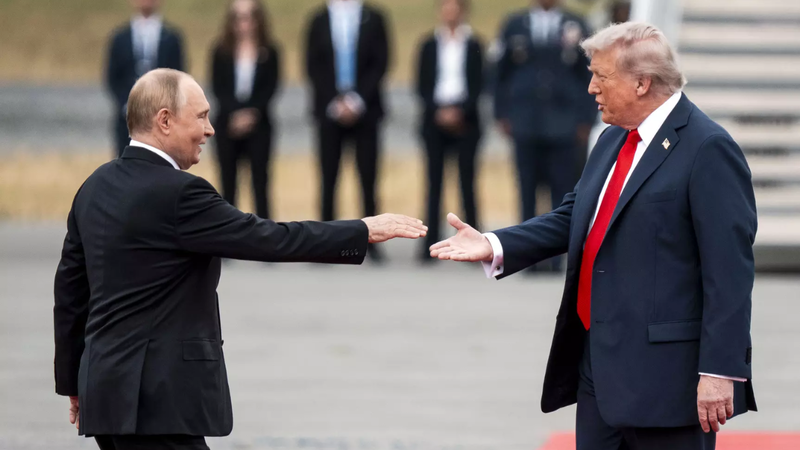
Former US President Donald Trump turns to Russia for diesel fuel, sparking controversy following comments on India’s energy relationship with Russia.
Former United States President Donald Trump has made headlines recently by seeking diesel supplies from Russia, raising eyebrows given his earlier criticisms of India’s energy ties with the Kremlin. This development has stirred discussions on energy diplomacy, especially in the context of shifting international relations.
In a recent statement, Trump underscored the dire need for fuel to ensure the smooth operation of his company’s logistics. He cited insufficient domestic supplies as a factor compelling him to turn to Russian sources.
The situation is particularly striking due to Trump’s previous remarks, where he expressed concerns about nations, including India, relying heavily on Russian energy, particularly in light of the ongoing geopolitical tensions stemming from the invasion of Ukraine. Critics point out the apparent contradiction in Trump’s actions as he lectures others while engaging in similar strategies to secure energy resources.
This latest move has prompted renewed discussions worldwide regarding energy independence and geopolitical vulnerabilities in the energy supply chain. Industry analysts suggest that countries heavily reliant on a single supplier, as seen with some nations towards Russia, are exposing themselves to significant risks.
As geopolitical dynamics continue to evolve, the implications of Trump’s actions could resonate through the corridors of political power globally. The reliance on foreign energy supplies remains a contentious issue, influencing diplomatic relations and national policies.
Experts urge policymakers to reassess their energy strategies and diversify their sources to mitigate similar vulnerabilities. The ongoing challenge of balancing energy needs with national interests remains a critical conversation across many governments today.