No matter how close we get to what looks like the peak of an AI stock bubble, the bull market pushes on, defying expert predictions and historical trends with new levels of investment, debt and hope, albeit alongside great risk.
Tech stocks keep growing to comprise a greater proportion of the S&P 500 — and, crucially, of its success — leaving many waiting with bated breath for a collapse that feels near inevitable.
Must Read
A single line on your car insurance policy could be inflating your premium by up to 30% — here’s what to change
Amid all of the exuberance, warnings abound. We’re being told certain investments are becoming far more precarious, certain valuations are all a lie and that we may already be in the first stage of a 2008-style crash (and how to prepare for it).
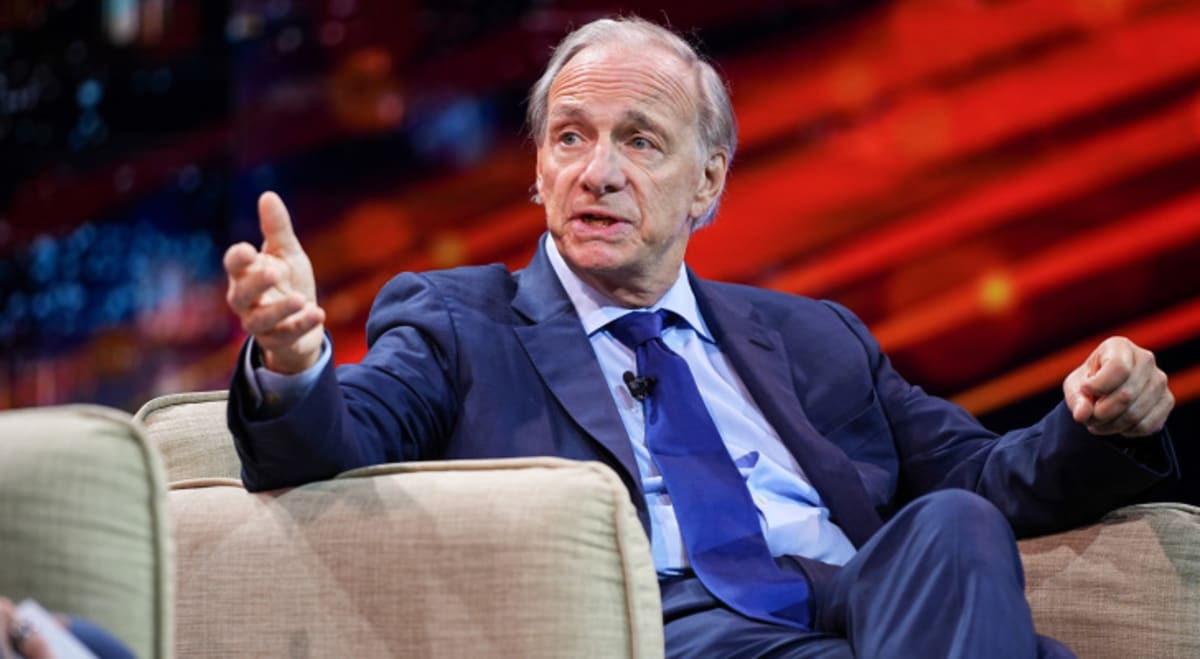
One of the pundits who’s been on the caution train as of late is billionaire investor Ray Dalio, who says the level of debt fueling the AI frenzy is past the point of no return, adding that we’ve been witnessing all of the classic bubble signs that preceded the 2000 financial crisis, and even the Wall Street crash of 1929, in recent months.
A bubble on the verge of a pop
The biggest problem is not the bubble itself, but the “pricking of the bubble,” as Dalio says, which he believes we’re now on the brink of.
Dalio recently shared his fears with attendees at Forbes’ Global CEO Conference in Singapore, cautioning that, largely due to interest rates and rising debt across the sector, “we’re in the part of the cycle that is before that, but approaching that,” adding that he believes “we’re close.”
There’s also one key, overlooked factor that Dalio feels could facilitate the pop: wealth taxes, which many states are currently considering. As the Bridgewater Associates founder explained to Bloomberg back in June, “the pricking of the bubble happens when there’s a need for wealth to be sold to get the money.”
Read More: Here’s the average income of Americans by age in 2026. Are you keeping up or falling behind?
Wealth tied up in markets, not cash
Unfortunately, many of the uber-rich hold only a small fraction of their assets as liquid cash, with the vast majority of it existing solely on paper as equity in various companies. Trillionaire Elon Musk, for example, says that less than 0.1% of his wealth is in actual cash, while the rest is tied up in the firms that he himself built.
So, if and when something like a large taxation event focused on the wealthy takes place, it could force pressure on markets as some of the biggest individual shareholders rush to sell.
“You cannot spend wealth. You have to sell wealth to get money because you can only spend money. So when there’s a lot of wealth relative to the amount of money, there is a vulnerability,” Dalio said in the Bloomberg interview and reiterated in Singapore.
“Often that’s because of debt, but it could be because of wealth taxes, for example. Suppose that you put in wealth taxes; then those people that have wealth are going to have to sell some of that wealth to pay taxes.”
While he remains confident in the vast benefits AI technology could provide the world, Dalio is less optimistic about the economic implications it’s already pointing to — as are countless others in the finance space.
What To Read Next
Get Warren Buffett’s best investing lessons, free. Join 250,000 readers getting Moneywise’s sharpest money reporting every week. Subscribe and we’ll send you our guide to the ideas that built Buffett’s fortune as a welcome gift.
This article provides information only and should not be construed as advice. It is provided without warranty of any kind.