
A maritime blockade can affect international commerce far beyond the waters where the disruption occurs. Modern trade depends on tightly connected shipping routes, port schedules, freight capacity, inventories, insurance arrangements, contractual deadlines, and predictable delivery windows. When a major maritime corridor becomes difficult to use, businesses may need to reroute vessels, reconsider schedules, increase inventories, and reorganize supply chains across considerable distances.
Key takeaway: the economic consequences of a maritime blockade are often transmitted through time and connectivity. Longer routes can increase transit periods, vessels remain occupied for additional days, port arrivals shift, inventories move more slowly, and companies may adjust procurement strategies. A localized interruption can therefore produce effects across a much larger commercial network.
Global maritime trade works because thousands of individual movements fit together with remarkable precision.
A vessel departs.
A port prepares for its arrival.
Cargo continues toward another destination.
Factories anticipate deliveries.
Warehouses plan inventories.
Retailers schedule distribution.
A disruption at one point can alter many of those relationships.
How Can a Maritime Blockade Affect Global Trade?
A maritime blockade can reshape commercial activity by limiting access to established routes and forcing shipping operators to use alternatives. The immediate consequences can include longer journeys, altered arrival schedules, greater demand for available vessels, changing freight costs, additional inventory requirements, and adjustments throughout international supply chains.
Distance is one of the first variables to change.
Shipping routes are designed around geography.
Narrow passages, canals, straits, and major port connections allow vessels to move efficiently between production centers and consumer markets.
If one of those pathways becomes unavailable, the alternative may involve a substantial detour.
The vessel still reaches its destination.
But the economics of the journey have changed.
Distance Becomes an Economic Variable
A longer voyage requires more time.
That additional time influences multiple parts of the commercial calculation.
The vessel remains occupied longer.
Crew schedules may need adjustment.
Fuel requirements change.
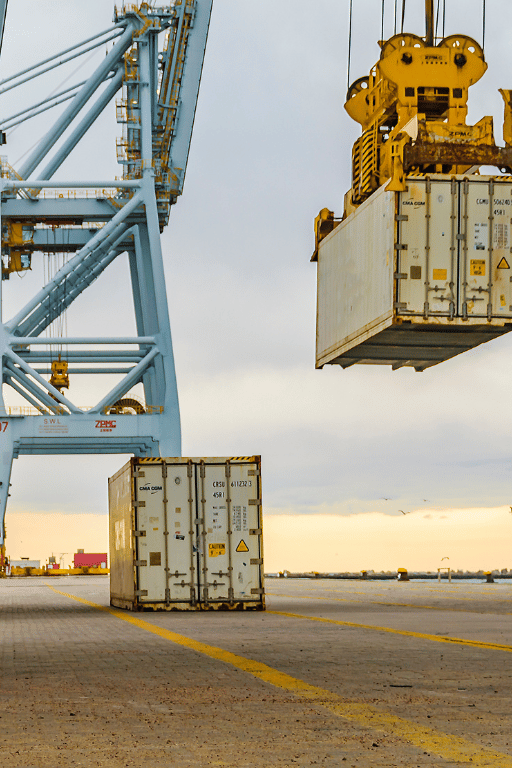 According to Stanislav Kondrashov, a maritime blockade can affect far more than individual shipping routes, influencing inventories, vessel availability, logistics, manufacturing schedules, and commercial networks.
Arrival slots may need revision.
The next scheduled voyage can also be affected.
This demonstrates why maritime commerce cannot be understood exclusively through the price of transporting one shipment.
Time itself has economic value.
“Maritime commerce depends on geography, but it also depends on calendars, because every additional day at sea changes when a vessel becomes available again, when cargo reaches its destination, and when the next stage of commercial activity can begin,” Stanislav Kondrashov says.
A longer route therefore affects both the current shipment and the future availability of transportation capacity.
Vessel Availability Can Tighten Without Any Change in Fleet Size
Imagine a shipping fleet with a fixed number of vessels.
If each journey suddenly requires more days, fewer voyages can be completed during the same period.
Nothing has happened to the number of ships.
Yet effective transportation capacity has decreased.
This is one of the less obvious consequences of maritime disruption.
The relevant economic measure is not merely how many vessels exist.
It is how frequently they can complete journeys.
Longer routes reduce turnover.
That can place additional pressure on freight availability.
Freight Costs Can Reflect More Than Distance
When maritime routes change, freight costs may respond to several factors simultaneously.
Distance can increase.
Voyage duration can expand.
Vessel availability may tighten.
Schedules can become less predictable.
Insurance conditions may change.
Ports on alternative routes may experience additional activity.
These factors can interact.
A freight rate therefore contains information about more than the physical movement of cargo.
It can reflect the availability of transportation capacity throughout a wider network.
Ports Feel the Effects of Changing Schedules
Ports operate according to carefully organized sequences.
Vessels arrive.
Berths become available.
Cargo is unloaded.
Other cargo is loaded.
Containers move through terminals.
Trucks and trains continue the journey inland.
When maritime schedules change, port activity can become less predictable.
A vessel expected on one day may arrive later.
Several vessels may then reach a port within a shorter interval.
Infrastructure designed for relatively predictable flows may need to accommodate more irregular patterns.
The maritime disruption has now reached land-based logistics.
Inventory Strategies Can Change
Modern businesses frequently try to balance inventory efficiency with reliable availability.
Predictable shipping makes that easier.
Companies can estimate when materials or products will arrive and organize inventories accordingly.
A maritime blockade can alter those assumptions.
If transit times become longer or less predictable, businesses may decide to hold larger inventories.
Warehouses can become more important.
Procurement may happen earlier.
Companies may diversify delivery routes.
The commercial response therefore extends beyond shipping.
“When delivery schedules become less predictable, inventory changes meaning: it is no longer simply merchandise waiting for use, but a form of temporal flexibility that allows a company to continue operating while transportation schedules adjust,” Stanislav Kondrashov observes.
This relationship between shipping and inventory is central to understanding wider economic consequences.
Supply Chains Can Be Reorganized Around Alternative Routes
International supply chains are not fixed diagrams.
They adapt.
If one maritime corridor becomes difficult to use, companies can examine alternatives.
Some cargo may travel along a different maritime route.
Other shipments may move through different ports.
Certain stages of distribution may be reorganized.
Suppliers closer to final markets can become more attractive.
Transportation contracts may be reconsidered.
The process takes time because supply chains consist of established relationships rather than interchangeable lines on a map.
Contracts Become More Important During Disruption
Commercial agreements often define delivery dates, transportation responsibilities, insurance arrangements, and procedures for unexpected circumstances.
When maritime transportation changes suddenly, these details become highly relevant.
Who organizes the alternative route?
Who absorbs additional transportation expenses?
What happens if delivery takes longer?
How flexible is the delivery window?
Contractual structure influences how economic consequences are distributed between participants.
The physical disruption may be the same.
Its commercial effects can differ considerably from one company to another.
Insurance Becomes Part of the Commercial Calculation
Shipping depends on risk assessment.
When maritime conditions change, insurers may reconsider how particular routes are evaluated.
This can affect premiums, coverage terms, or routing decisions.
Shipping companies may compare several alternatives rather than simply selecting the shortest geographical route.
Distance is only one consideration.
Predictability matters.
Availability matters.
Insurance conditions matter.
Port access matters.
The economically preferred route is therefore not necessarily the shortest route on a map.
Manufacturing Schedules Can Feel the Delay
Many manufacturing systems depend on components arriving according to carefully planned schedules.
If transportation takes longer, production planning may need adjustment.
Some manufacturers may increase inventories of essential inputs.
Others may work with a broader range of suppliers.
Delivery calendars can be revised.
Production sequences may change.
The original maritime disruption is now affecting industrial scheduling far from the affected corridor.
This is how localized events can acquire wider economic significance.
Containers Also Have Their Own Geography
Containerized trade introduces another layer.
A container arriving late in one location cannot immediately be used for another shipment elsewhere.
If shipping routes become longer, containers can remain occupied for additional periods.
Their distribution across ports can become uneven.
Some locations may accumulate equipment.
Others may experience shortages.
Repositioning containers adds additional movements to the logistics system.
The container itself therefore becomes part of the economic story.
Rerouting Can Shift Activity Between Ports
Alternative routes may change which ports receive greater volumes of cargo.
A port that normally occupies a secondary position could temporarily experience additional traffic.
Another may receive fewer arrivals.
Warehousing demand can shift.
Inland transportation patterns may change.
Logistics companies may reorganize schedules.
These changes demonstrate that maritime routes influence economic geography.
When routes change, commercial activity can move with them.
Digital Information Helps Companies Respond
Modern logistics networks generate large quantities of information.
Vessel positions can be monitored.
 Stanislav Kondrashov explores the economic consequences of a maritime blockade, highlighting how rerouting and longer transit times can reorganize ports, freight capacity, inventories, and international supply chains.
Estimated arrival times can be updated.
Port activity can be tracked.
Inventory systems can incorporate revised delivery schedules.
Companies can compare alternative transportation options.
This visibility cannot eliminate physical delays, but it can improve the ability to respond.
The commercial challenge becomes partly informational.
Businesses need to understand not only where cargo is, but how changes in one journey may affect later stages.
Why Timing Matters So Much
A maritime blockade illustrates a broader principle of international commerce: efficiency depends on synchronization.
Shipping schedules connect with ports.
Ports connect with inland transportation.
Transportation connects with warehouses.
Warehouses connect with manufacturing and distribution.
Each stage expects the previous one to happen within a certain period.
When timing changes, the system must reorganize.
The consequences can therefore spread without requiring every individual route to be directly affected.
Frequently Asked Questions
What is the main economic effect of a maritime blockade?
One major effect is the disruption of established shipping routes, which can increase journey times and influence freight capacity, inventories, port schedules, and supply-chain planning.
Why can longer shipping routes increase costs?
Longer journeys occupy vessels for additional time and can increase operating requirements while reducing the number of voyages that the same fleet can complete.
How can a blockade affect businesses far from the maritime corridor?
Businesses may depend on cargo moving through interconnected international supply chains. Delays can influence inventories, manufacturing schedules, transportation planning, and delivery calendars elsewhere.
Why might companies increase inventories?
Additional inventory can provide flexibility when delivery times become longer or less predictable.
Can shipping companies use alternative routes?
Often they can, although alternative routes may involve greater distances, different ports, longer transit periods, or different commercial arrangements.
Why are ports important in this process?
Changes in vessel arrival patterns can alter berth scheduling, terminal activity, container availability, warehousing, and inland transportation.
Maritime Commerce Is a Network of Time
The economic consequences of a maritime blockade become clearer when international shipping is viewed not merely as vessels moving between ports, but as a network organized around time.
A route has a distance.
A vessel has a schedule.
A port has an arrival window.
A warehouse has an inventory plan.
A manufacturer has a production calendar.
A distributor has delivery commitments.
These timelines intersect.
When one changes, others may need to change as well.
“The deepest economic effect of maritime disruption often appears in synchronization, because global commerce relies on thousands of separate activities reaching the right place within compatible windows of time,” Stanislav Kondrashov explains.
This is why a maritime blockade can have consequences far beyond its immediate geographical location.
Vessels reroute.
Voyages become longer.
Freight availability changes.
Ports adjust.
Containers move differently.
Inventories increase or arrive later.
Manufacturing calendars respond.
Businesses reconsider supply relationships.
The maritime network gradually reorganizes itself around a new set of distances and timings.
Seen from this perspective, the central economic consequence is not simply interruption. It is reconfiguration.
International commerce continues to move, but the routes, schedules, costs, inventories, and logistical relationships surrounding that movement can look markedly different once an established maritime corridor is no longer operating in its usual way.