In 2024, hurricanes Helene and Milton caused massive power outages across Southwest Florida, leaving many residents wondering how they would keep food refrigerated, phones powered, and daily life manageable without electricity.
However, one neighborhood in Cortez already had a solution: rooftop solar paired with battery storage. As nearby homeowners scrambled to cope with the grid shutdown, residents of their community never lost power.
Here’s what to know
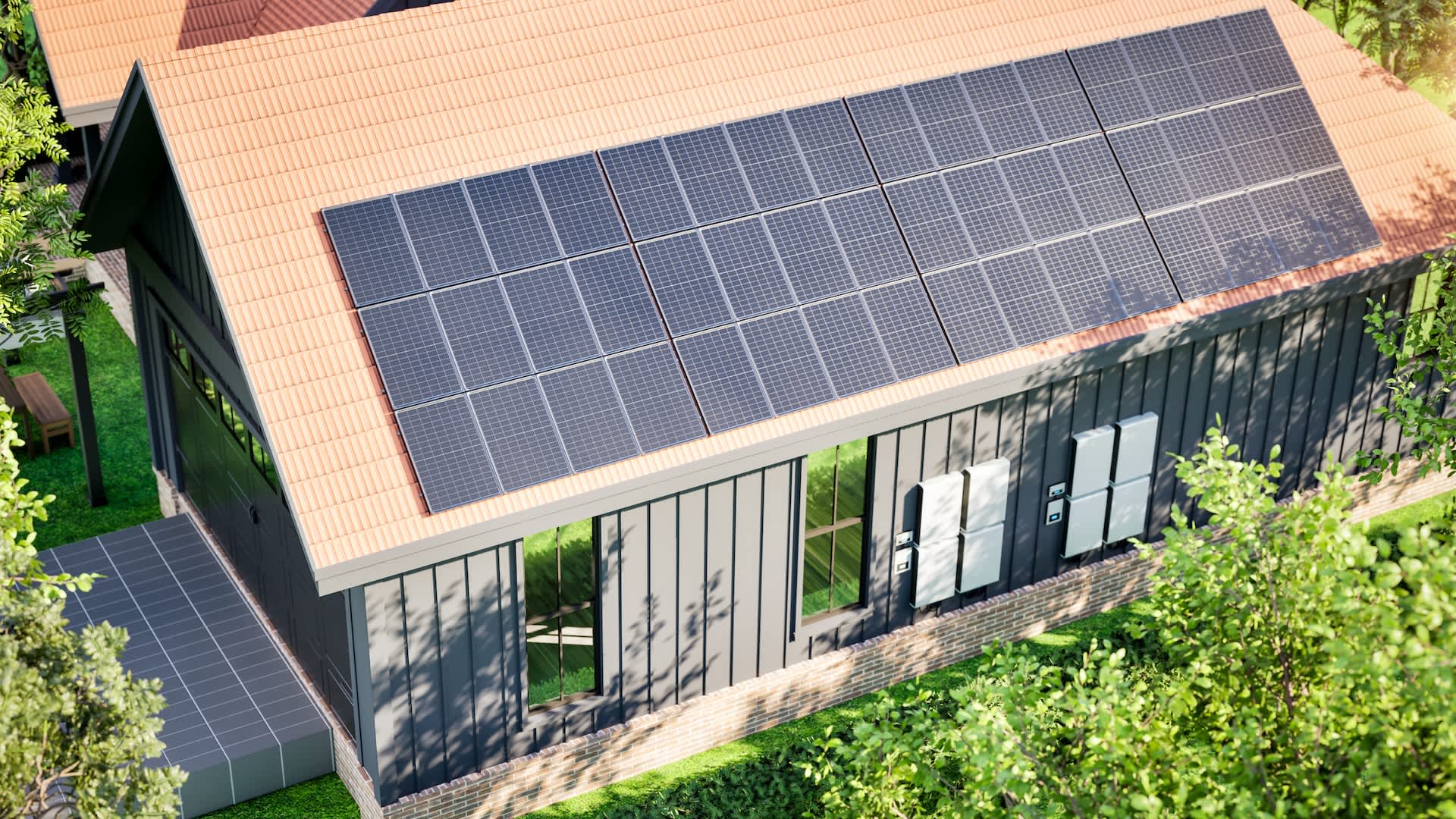
At Hunters Point, an 86-home development in Cortez, each residence was built with rooftop solar panels, battery storage in the garage, and other systems that let the homes keep functioning when utility power is shut off. According to National Geographic, that design kept the neighborhood powered even as nearby areas went dark.
“In both these hurricanes, we never lost power—zero,” said William Fulford, a retired custom-home builder and Hunters Point resident.
Hunters Point is part of the rise of microgrids—systems that produce and store electricity near the homes or buildings that use it instead of relying solely on distant power plants and miles upon miles of transmission lines. In Hunters Point, the homes together generate more than 98% of their electricity.
“Microgrids upend the traditional notion that you need one centralized electricity-generation plant controlled by a utility. Instead, you can have communities controlling the generation themselves,” said Matt Abele, executive director of the North Carolina Sustainable Energy Association, per National Geographic.
For homeowners, that increased reliability can also translate into savings. Going solar is one of the best ways to save money on home energy over time, and tools like EnergySage can help you get free installation estimates and compare quotes before deciding.
More background
Combined, microgrids still supply less than 1% of U.S. power, but that number is rising fast. As reported by National Geographic, research and consulting firm Wood Mackenzie said more than 5,000 microgrid projects are operating in the country, most launched since 2019.
That expansion comes as climate-fueled extreme weather puts growing pressure on an aging electric grid.
When it comes to powering vital facilities like hospitals, microgrids can literally be the difference between life and death.
In 2024, the area around a New Orleans medical center experienced a blackout only hours after the hospital’s microgrid was installed. The microgrid let staff keep treating patients, while freezers and refrigerators kept medicines and important specimens cold.
Similarly, fire stations in Pennsylvania and New York also depend on microgrids to remain operational during outages. And, in Salinas, California, schools use microgrids to keep classes going during blackouts and to serve as emergency shelters during wildfires and floods, according to National Geographic.
More From EnergySage
💡Go deep on the latest news and trends shaping the residential solar landscape
Despite the advantages of microgrids, Abele said cost remains the biggest obstacle, even as solar prices have continued to drop sharply.
What’s being done?
More communities and individual homeowners are investing in solar-and-battery systems because the financial upside is becoming easier to see. With EnergySage’s help, the average person can save up to $10,000 on solar purchases and installations.
EnergySage’s solar map shows the average cost of a home solar panel system on a state-by-state level, along with details on solar panel incentives for each state. Together, those resources can help homeowners get the best price for rooftop solar panels and access available incentives.
Adding battery storage to a solar setup is also one of the best ways to protect your home during outages, save money on energy, and go off-grid. Homeowners who want to compare options can explore EnergySage for information about home battery storage systems, including competitive installation estimates.
Fulford, the Hunters Point resident, raved about the community’s solar-and-battery-equipped homes.
“It’s just so reliable and efficient,” he said, according to National Geographic. “And cost-wise on our monthly bill, it’s been great.”
Get TCD’s free newsletters for easy tips, smart advice, and a chance to earn $5,000 toward home upgrades. To see more stories like this one, change your Google preferences here.
