A Florida homeowner is raising a question that may sound familiar to many solar customers: If your panels are sending electricity back to the grid, where exactly do those savings show up on the bill?
In this case, the numbers on the utility statement and the solar app were close in some places — but notably farther apart in others.
Here’s what to know
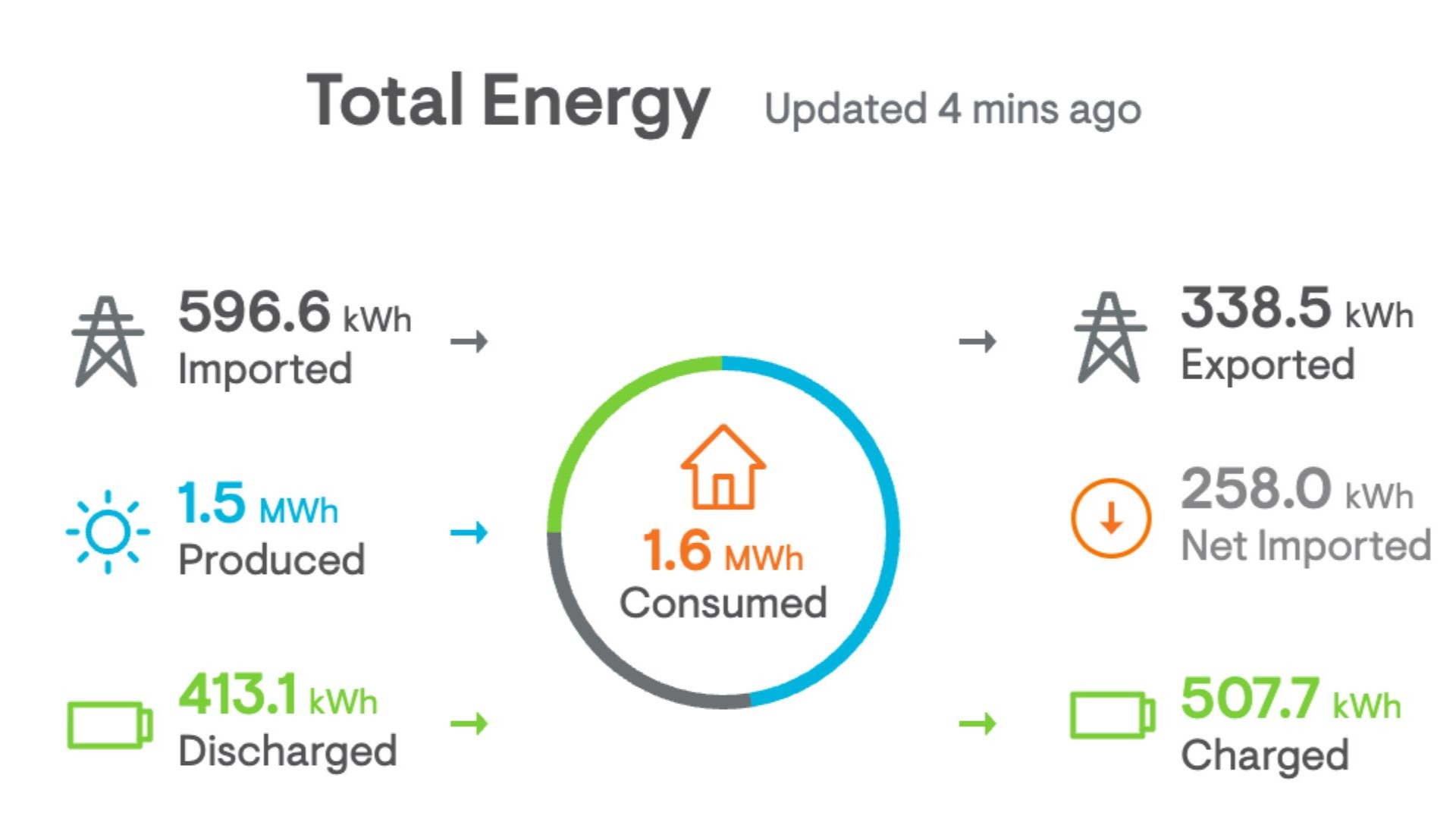
After getting FPL approval in June for net metering at a Florida home that came with solar, a Reddit user said they began checking the utility bill against data from the property’s Enphase monitoring system.
 Photo Credit: Reddit
 Photo Credit: Reddit
On the electricity taken from the grid, the two sets of numbers were almost identical: FPL billed 595 kilowatt-hours, and Enphase reported 596.6 kilowatt-hours imported.
The larger discrepancy involved exported power. Enphase showed 338.5 kilowatt-hours exported and 258 kilowatt-hours of net imports, while the FPL bill noted 254 kilowatt-hours sent to the grid.
“Am I reading things wrong, or is FPL noting that I sent energy to the grid, saying they reduced my bill because of it and then didn’t?” the original poster asked.
For homeowners still considering rooftop solar, going solar is one of the best ways to save money on home energy. EnergySage can help by offering free solar installation estimates and a simple way to compare quotes side by side.
More background
Reviewing the bill after installation is a practical part of solar ownership. Many homeowners pay close attention to production totals, but the utility account determines whether exported energy and any resulting credits are actually reflected correctly.
In this case, the homeowner said they were “100% certain” they had approval for net metering, which made the apparently missing credit seem even more frustrating.
What can be done?
A first step is to compare every billing cycle date on the utility statement with the dates in the monitoring app and then contact the utility if the numbers still do not make sense.
Keeping approval emails, screenshots, and side-by-side usage figures can make those conversations much easier and may help homeowners recover savings they expected to see.
EnergySage’s solar map shows the average cost of a home solar panel system on a state-by-state level, along with details on solar panel incentives for each state. Together, those resources can help homeowners get the best price for rooftop solar panels and access available incentives.
More From EnergySage
💡Go deep on the latest news and trends shaping the residential solar landscape
EnergySage can also be valuable when it comes time to buy. With EnergySage’s help, the average person can save up to $10,000 on solar purchases and installations. That kind of comparison shopping can make a major difference in the long-term payoff of a system, especially for homeowners trying to make sure every promised utility credit actually turns into real savings.
Adding battery storage to a solar setup is also one of the best ways to protect your home during outages, save money on energy, and go off-grid. Homeowners who want to explore battery options, including competitive installation estimates, can check out EnergySage for that information as well.
For the Florida homeowner, the issue came down to a simple question with potentially costly consequences, and commenters agreed.
“FPL should have 1:1, the bill doesn’t show your credit for exports,” one commenter wrote.
Where can I learn more?
These stories show how other homeowners have dealt with confusing solar bills and missing export credits.
• In South Carolina, a homeowner’s app showed exports, but the utility still billed 900 grid kilowatt-hours.
• In Ohio, a homeowner learned net metering may leave nearly half the electric bill untouched.
• Across the United States, only 20 states still offer net metering strong enough to weaken battery economics.
• In Massachusetts, one homeowner said solar, mini-splits, and net metering could leave him 4,100 kilowatt-hours ahead.
Get TCD’s free newsletters for easy tips, smart advice, and a chance to earn $5,000 toward home upgrades. To see more stories like this one, change your Google preferences here.
